
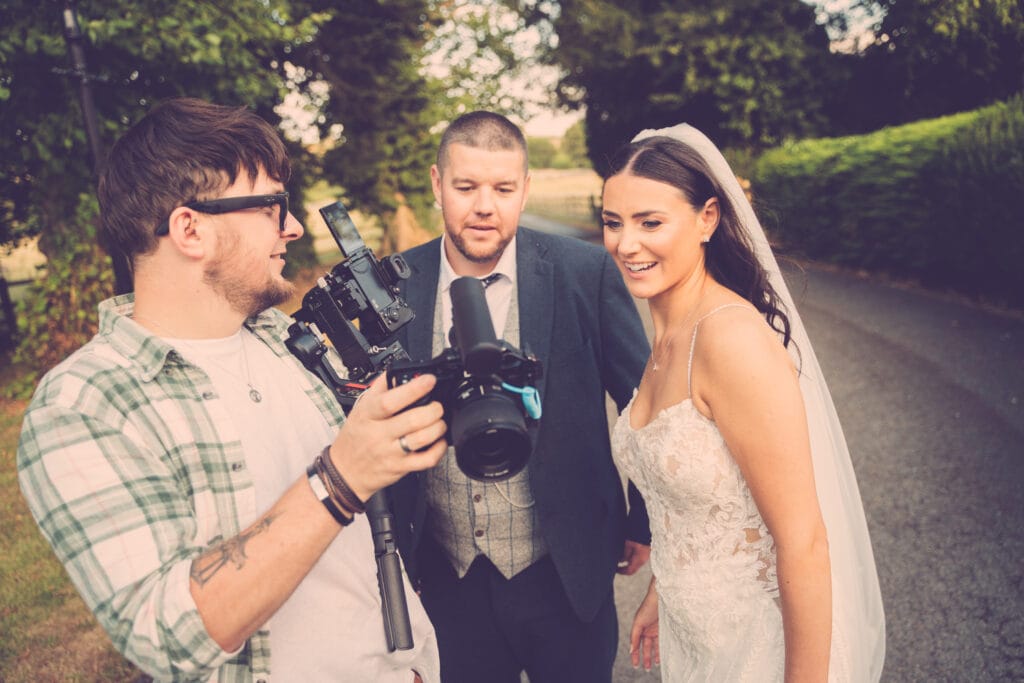
When a photographer and videographer work flawlessly together, a wedding day or creative project feels smooth, intentional, and beautifully coordinated. But this doesn’t happen by luck. It requires aligned goals, shared cues, strategic workflows, and clear pre-planning.
A united team ensures that every frame—stills or motion—contributes to one cohesive story. With the right processes in place, both creatives elevate each other’s work, protect each other’s shots, and deliver a polished final product the client will love.
Aligning Goals for a Cohesive Story
To craft a unified visual story, both photographer and videographer start by aligning on:
- the emotional narrative
- the tone and style
- the pacing of the day
- the client’s priorities
- any non-negotiable moments
This becomes the shared storytelling blueprint for the entire project.
Define the top scenes, the mood, and the visual language early. Agree on:
- cinematic vs documentary tone
- natural vs directed posing
- warm vs neutral colour interpretations
- which emotions should lead the viewer
Document this in a short, accessible creative brief. Revisit it after key shoots to ensure the overall story remains consistent.
Diamond Film uses this approach on every wedding day to guarantee that both stills and video flow together seamlessly in the final film.
Pre-Production Planning That Unifies Roles
Clear planning eliminates chaos on the day. Establish:
- who controls lighting
- who leads directing in each moment
- who handles audio responsibilities
- who monitors continuity
- who manages the master timeline
Create a combined shot list and attach estimated timings so both teams know where they need to be—and when.
Use communication tools like shared notes, group chats, or walkies. Schedule pre-visits, run-throughs, and gear checks together.
Agree on contingency actions for:
- weather changes
- timeline delays
- location disruptions
- equipment failure
A prepared duo reacts fluidly and professionally—protecting the client experience and the final result.
Building a Shared Language and On-Set Cues
The fastest teams communicate without slowing momentum. Build a shared vocabulary through:
- simple one-word cues (“hold,” “reset,” “shift left”)
- universal hand signals
- designated call-outs (one person leads per moment)
Document these cues in a mini “crew language” sheet and rehearse during warm-up shots.
As teamwork grows, communication transitions from words to rhythm. You begin to anticipate each other’s movements and make micro-adjustments that feel instinctive.
After each shoot, review what worked—with honesty and respect—and refine your shared language.
Crafting Joint Shot Lists and Timelines
A unified timeline means no stepping on each other’s shots and no lost moments.
Build one document that includes:
- core client expectations
- all major emotional beats
- shared angles
- Still / Motion / Both labels
- rough time windows
- planned transitions between teams
- contingency shots for spontaneity
Keep verbs active—capture, track, push in, reveal, hold—to ensure clarity.
This creates a reliable roadmap that both the photographer and videographer follow throughout the day.
Coordinating Gear Setups and Lighting Decisions
Because both still and motion rely heavily on light, decisions must be unified.
Coordinate:
- lighting placement
- colour temperature
- diffusion strength
- frame blocking
- rig placements
- cable routing
- reflectors vs continuous lighting
Choose gear that works for both teams—softboxes, light stands, compact stands, portable LEDs, and shared modifiers.
A shared lighting plan means consistent visual style and faster transitions between setups.
On-Set Collaboration Rituals for Smooth Transitions
Great teams develop rituals that keep them aligned.
Rituals that streamline the day:
- a three-minute pre-shot huddle
- confirming angles and space boundaries
- a clear “you first / me second” handshake for each scene
- using a shared checklist for important beats
- locking in a reset-signal for retakes
Offer feedback quietly, keep chatter minimal, and always protect continuity.
When both roles respect each other’s space and purpose, creativity flows naturally and the client feels at ease.
Managing Client Expectations as a Unified Duo
Clients value clarity. Present yourselves as one cohesive team.
Clarify:
- deliverables
- timelines
- revision processes
- approval checkpoints
- coverage limitations
- expectations around lighting, posing, and directing
Build trust by offering unified answers, not conflicting opinions live on set.
Clients will sense harmony—and the final results will reflect it.
Communication Workflows to Stay in Sync
Consistency relies on solid communication systems.
Set workflows such as:
- primary channels for updates
- daily briefs before shoots
- checklists for location changes
- weekly creative sync calls
- responsibility ownership for key decisions
Use a decision-making protocol so creative pivots don’t cause conflict.
Document learnings after every project and improve the workflow for the next shoot.
Post-Production Alignment and File Handoffs
Post-production is where alignment matters most.
Establish:
- naming conventions
- folder structures
- colour reference palettes
- LUT preferences
- audio file standards
- export formats and codecs
- deadlines and approval stages
Share preview cuts and selects early to ensure consistency across stills and motion.
A clean, organised handoff saves editors hours—and guarantees a seamless final product.
Roles, Responsibilities, and Morale on Busy Days
When pressure rises, clarity and morale keep everything moving.
Define:
- who directs talent
- who handles transitions
- who builds lighting setups
- who coordinates location resets
- who manages time checks
Support each other by:
- acknowledging each other’s wins
- resetting calmly after mishaps
- sharing energy on long days
- stepping in when fatigue hits
- keeping feedback respectful and constructive
This teamwork builds trust that extends well beyond the wedding day.
Frequently Asked Questions
How do we divide creative control without conflict?
Set boundaries early, share vision boards, rotate scene leadership, and document decisions so each role feels respected.
How do we handle client feedback that affects both roles?
Translate feedback into actionable tasks, align priorities together, agree on solutions, and update the client as one united voice.
How do we split post-production fairly?
Assign responsibilities—editing, colour, sound, formatting—based on strengths and timelines. Define milestones to prevent overlap.
How do we protect each other’s shot ideas on set?
Share mood boards, label concepts in the shot list, and coordinate angles beforehand. Respect each other’s creative boundaries.
What if one role makes a last-minute creative pivot?
Pause, ask clarifying questions, test the idea quickly, and adapt as a united team—keeping the project’s story at the centre.
About Diamond Film Destination Wedding Videography
We specialize in crafting cinematic, emotionally-driven wedding films for couples planning extraordinary celebrations worldwide. Our award-winning team captures the subtle moments and grand narratives of your day, ensuring your memories are preserved with unparalleled quality and style.
Ready to see the difference a Diamond Film makes?
🎥 View Our Stunning Portfolio & Film Packages: https://diamondfilm.co.uk/